
Writing press releases that capture the attention of the intended audience is no easy task.
It is important to understand the audience, define the message, structure the release, choose an appropriate tone, select the right distribution channels, and monitor results.
In this article, we'll provide helpful tips on how to create an engaging press release from concept to coverage.
We must understand our audience to create an effective press release that resonates with them. Knowing who we are writing for is critical for crafting an engaging message. Before composing the release, conduct research to determine the target audience's interests, location, language, and demographic.
These details will help you create a well-crafted message that will appeal to the reader. Furthermore, it is important to consider the level of language used in the release. If the audience is comprised of industry experts, then using technical terms and jargon may be appropriate.
However, if the target is the general public, then a more conversational tone may be more effective. Understanding the audience is key for crafting an effective press release.
Once the audience has been identified, the next step in writing an effective press release is to define the message. This is the core of the press release and will be the driving force behind the content.
It is important to identify the goal of the press release and craft a message that is concise yet impactful. The message should be based on facts and should be tailored to the target audience. The message should be clear and easy to understand, and should highlight the key points in a way that is informative and engaging.
The message should also include a call to action to encourage readers to take the desired action. By carefully crafting a clear and concise message, the press release can effectively reach the target audience and help to achieve the desired results.
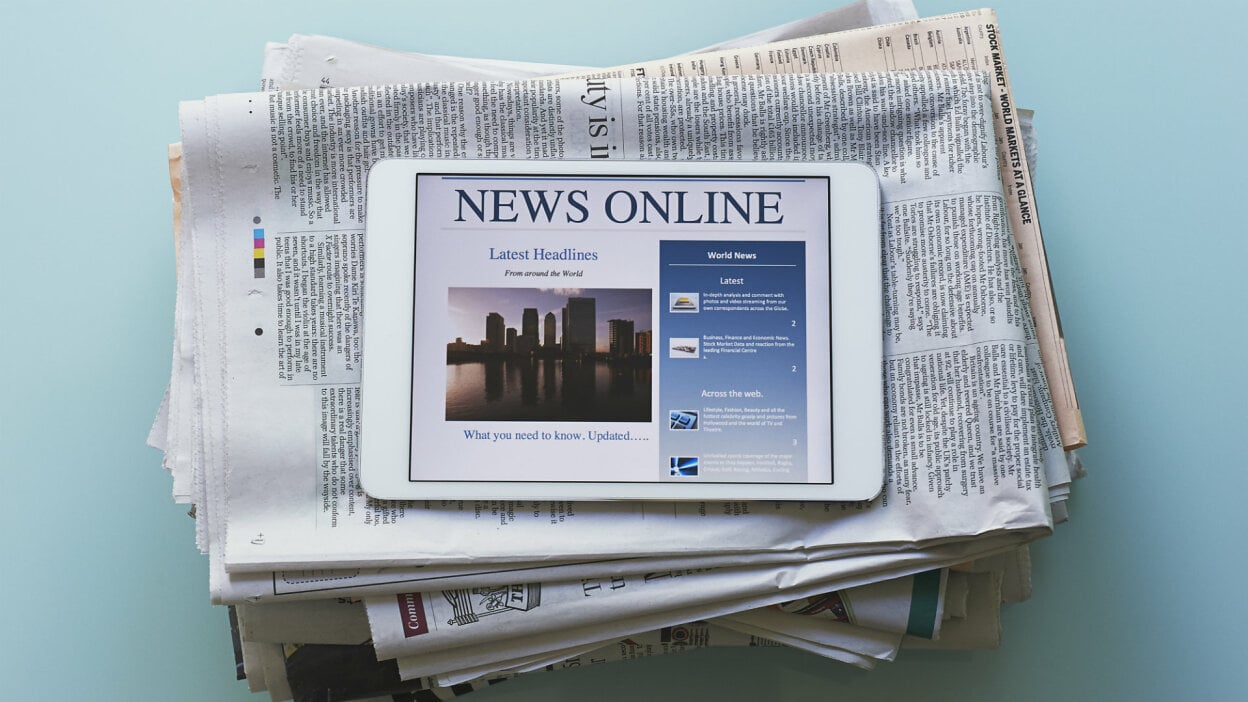
Drawing up the structure of the press release is a crucial step in creating an engaging and effective release. It should begin with a headline that grabs the reader's attention and is followed by a subhead, which should provide additional information.
The body of the release should provide the 'who', 'what', 'why', 'where', 'when', and 'how' of the story. It is also important to include quotes and other relevant information, such as contact information.
Finally, the release should end with a brief summary that ties all of the information together. Clear, concise writing is essential for an effective press release.
First, it is important to decide on an appropriate tone for the press release. This can vary depending on the target audience, but should be professional and informative.
Generally, readers will expect the press release to give factual information in a concise, yet engaging way. When deciding on a tone, consider the audience's level of knowledge, as well as their level of interest. If the press release is directed at a highly knowledgeable audience, the language should be more technical and detailed.
If it is directed at a broader audience, the language should be more concise and straightforward. Additionally, the tone should be timely and relevant to the news being reported. Ultimately, the tone should be clear, concise, and engaging, while remaining professional and respectful.
Frequently, the success of a press release is largely dependent on its distribution channels. Choosing the right outlets for dissemination is key. Traditional distribution channels include newspapers, magazines, radio, and television, and should be considered in addition to digital sources such as online publications, blogs, and social media.
Depending on the nature of the release, it may be beneficial to select platforms that are more specialized within the relevant field or industry. For example, a press release about a new medical device should be distributed to outlets that specialize in the medical field.
Additionally, it may be wise to consider the audience of each platform, as they may have different expectations. In some cases, it may be necessary to tailor the press release for each channel. Ultimately, selecting the most appropriate channels can maximize the reach and effectiveness of the release.
Once the press release has been distributed, it is important to monitor the results. This can be done in several ways, such as tracking the number of social media shares, clicks, and website visits.
Additionally, look for any press coverage, online reviews, or other mentions of the release. Analyzing the data can provide valuable insights into what resonates with the target audience and what needs to be improved in future press releases.
This can also help to identify the most effective distribution channels and refine the overall strategy. To monitor results effectively, business owners should use a combination of metrics and analytics to get an accurate picture of the impact of their press release.

Creating an effective press release involves ensuring it reaches its intended audience. This requires a comprehensive plan that includes researching the target audience, crafting a compelling headline, and utilizing the most appropriate distribution channels. It is important to consider the platforms the target audience is most likely to be using and to tailor the content to suit their needs. Additionally, leveraging relationships with influencers and media outlets can be beneficial in getting the message out to the right people.
To make a press release engaging, it is important to include interesting information that will grab the reader's attention. Start with a headline that is concise but also catches the reader's eye. Make sure to include the who, what, when, where, and why components in the main body in order to provide a clear and concise overview. Use relevant quotes to provide additional context and engage the reader. Finally, make sure to include contact information for further inquiries.
The best way to make sure that your press release is seen by the right people is by selecting a distribution channel that is tailored to your target audience. This could mean utilizing social media to reach out to online readers, or using a more traditional approach such as print media or radio. Additionally, it is important to consider the reputation of the distribution channel you choose and ensure it is credible. Doing research and using the right connections can help you find the best distribution channels to reach your target audience.